
Dear Alumni and Friends,
Reflecting on the first half of the year and all that we’ve accomplished at the Loma Linda University School of Public Health has left me with sincere gratitude.
In March, a group of our faculty, staff, and students traveled to Mongolia on a mission trip, inspiring collaboration, transformation, and service for everyone who made the journey.
Made possible through partnership with ADRA International, ADRA Mongolia, ADRA Connections, the SDA Mongolian Mission, and the Mongolian National Center for Public Health, our own Dr. Baba-Djara and I led the group, alongside students who threw themselves fully into the experience.
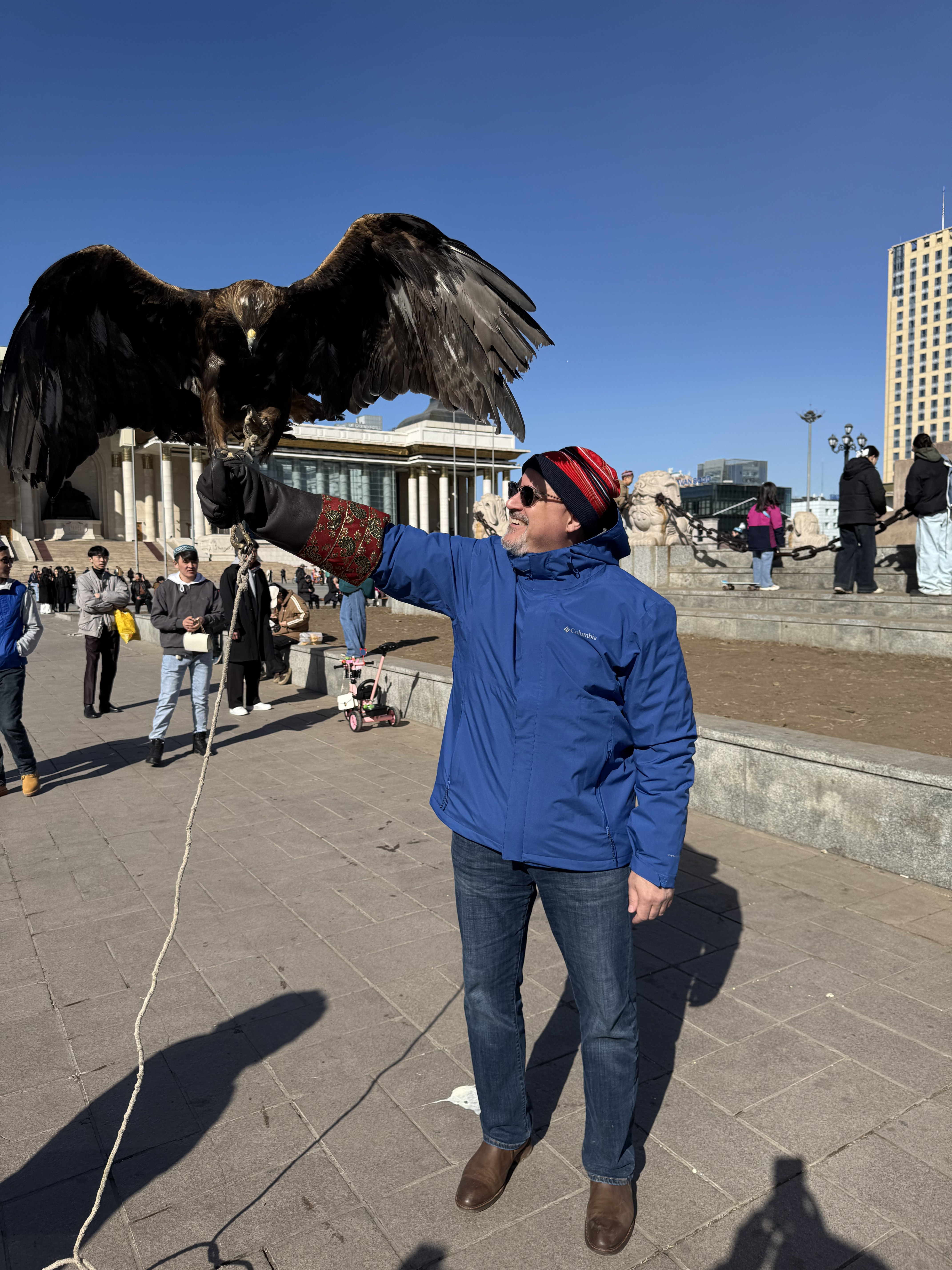
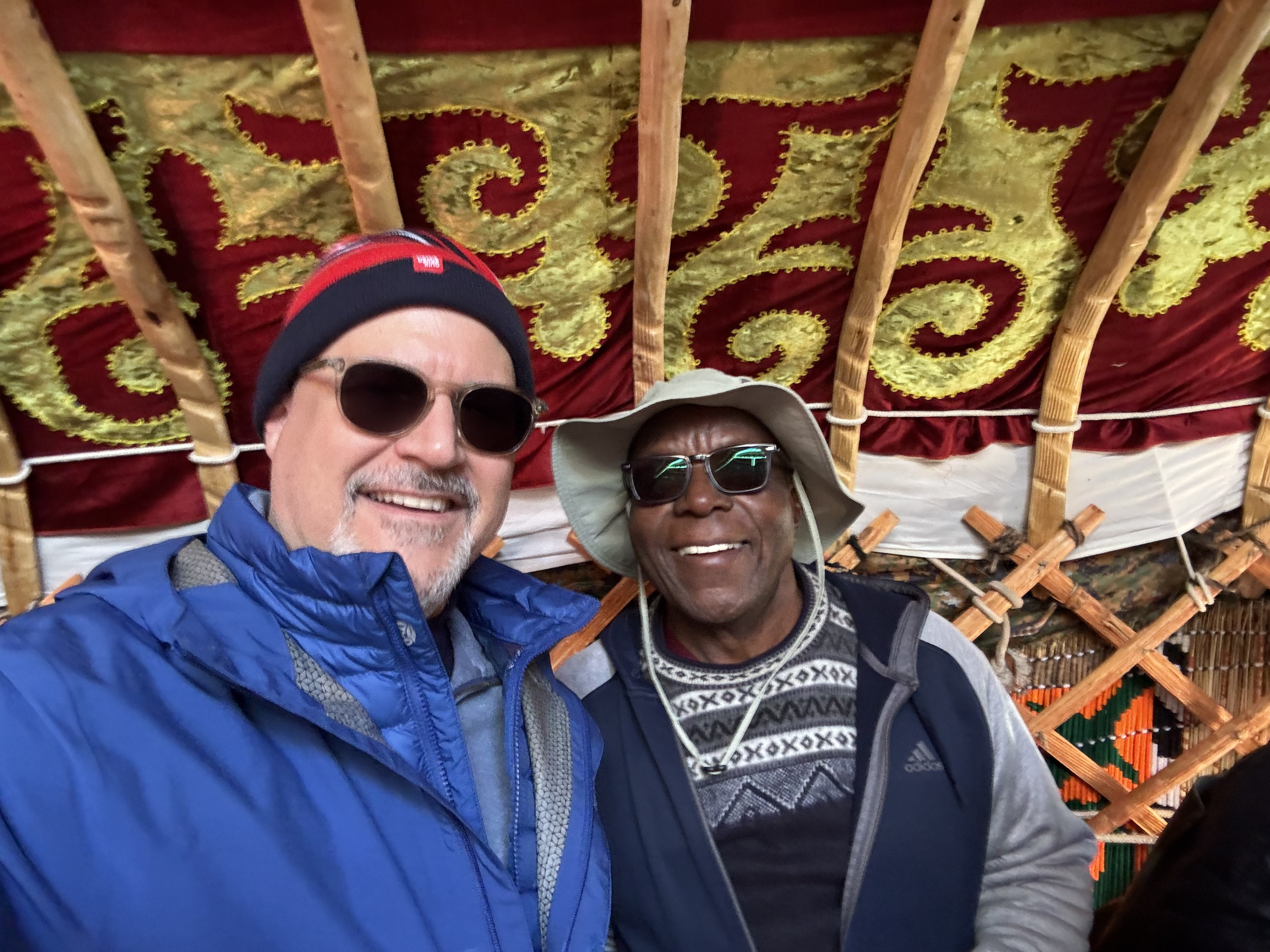
It is incredible to see how trips like this change the individuals who go on them. Each student described being transformed by the trip and expressed a desire to go on more service trips in the future.
Beyond the public health research the group set out to do, this was also a lesson in cultural humility, what it means to step outside your own frame of reference and really see a place, its people, and its health challenges on their own terms.
Tracking the Next Global Threat: Dr. Sinclair's Surveillance Work
Additionally, our faculty and staff continue to do great public health work that goes unnoticed. Antibiotic-resistant bacteria rarely make headlines the way outbreaks do, but public health researchers have quietly been calling them one of the defining threats of the next 50 years.
This is the work Dr. Sinclair has built a career around. He’s currently leading a global surveillance initiative focused on tracking resistant strains as they emerge and move across borders — catching them early, rather than reacting once they've already spread.
The goal of his work is to use Loma Linda University’s partner hospitals and clinics around the world to establish a surveillance network. Data will be collected in the field and electronically sent to his lab for analysis.
It's exactly the kind of work our alumni tell us they came here to do: unglamorous, essential, and years ahead of the crisis it's trying to prevent.
Why We Do This
I keep coming back to one thing as I think about this school, this year, and everything pulling at our field from every direction: public health doesn't check your politics before it helps you.
It doesn't matter where you're from, what you believe, or who you voted for — the water you drink, the air your kids breathe, and the bacteria that don't care about borders affect all of us the same way. That's not a slogan. That's just what this work is. It's about whether we, as humans, get better at seeing threats coming before they arrive, and how to mitigate those threats that we can’t avoid.
The science of public health helps to inform leaders in Washington DC as they struggle with the complexities of the health and wellness of our entire country. Whether it is vaccine schedules, food or exercise guidelines, public health is at the center of the discussions.
That's what this school has always been for. It's what our graduates go on to do, in health departments and hospitals and labs and, yes, sometimes on a mission trip halfway around the world or in a surveillance network tracking threats years before they arrive. And it's why, whatever changes around us, there’s no question about whether this work still matters or not.
Public health is the largest umbrella for health there is. It is a profession that is completely vital to our health as a nation and the world. Thank you for your service.
With gratitude,

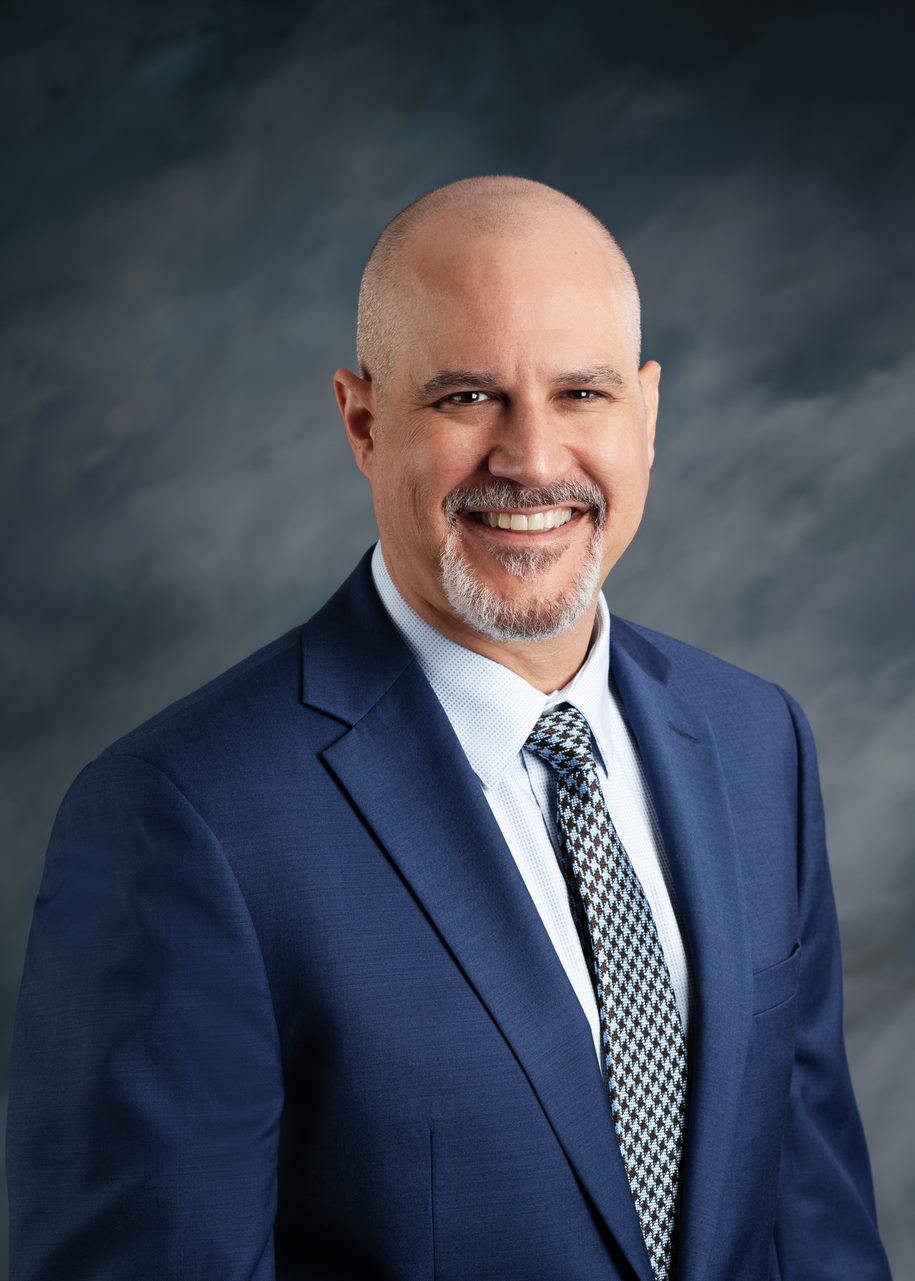
Dr. Adam Arechiga
Dean, School of Public Health